4 Best Vitamins for Hair Growth in Older Adults
Like any other part of the body, older adults' hair needs various nutrients to stay healthy. Hair loss is related to nutritional deficiencies; factors such as age, genetics, and hormones also affect hair growth, and whether nutrient intake is appropriate is equally important. Below are four vitamins that are important for hair growth in older adults.
Hemujia reminds readers: nutritional supplementation should take into account the older adult's physical condition and personal habits.
1. Vitamin A
All cells need vitamin A to grow, and hair is no exception—it is the fastest-growing tissue in the human body. Vitamin A also prompts sebaceous glands to secrete sebum, which moisturizes the scalp and helps keep hair healthy. A diet lacking vitamin A may lead to problems, including hair loss. However, excessive intake also carries risks; research shows that excessive vitamin A supplementation can also cause hair loss.
2. B Vitamins
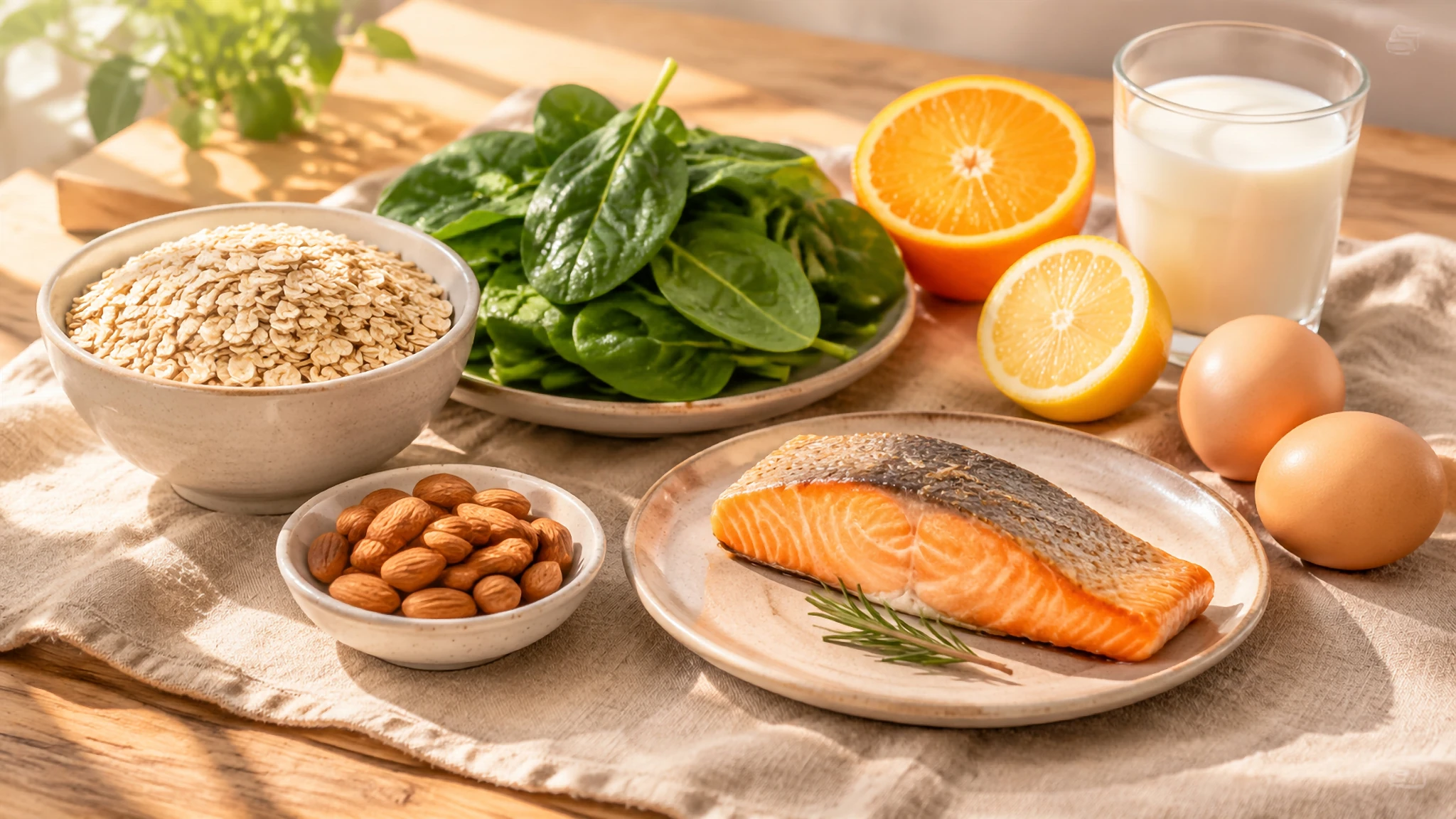
The vitamin most closely associated with hair growth is a B vitamin called biotin. Other B vitamins help produce red blood cells, which carry oxygen and nutrients to the scalp and hair follicles; these processes are important for hair growth. Older adults can obtain B vitamins from many foods, including whole grains, almonds, lean meat, fish, seafood, and dark green leafy vegetables.
3. Vitamin C
Free radical damage can hinder hair growth and cause hair aging, and vitamin C is a strong antioxidant that helps resist free radicals. In addition, the human body needs vitamin C to synthesize collagen, an important component of hair structure. Vitamin C also promotes iron absorption, and iron is a mineral essential for hair growth.
4. Vitamin D
Low vitamin D levels are associated with hair loss. Vitamin D may be involved in the formation of new hair follicles, the structures on the scalp from which new hair grows. Most current research has focused on vitamin D receptors, and the specific role of vitamin D in hair growth is still being explored.
These are the four vitamins that are important for hair growth in older adults. Hemujia suggests: if you have questions about diet or nutritional supplementation, consult a healthcare professional.